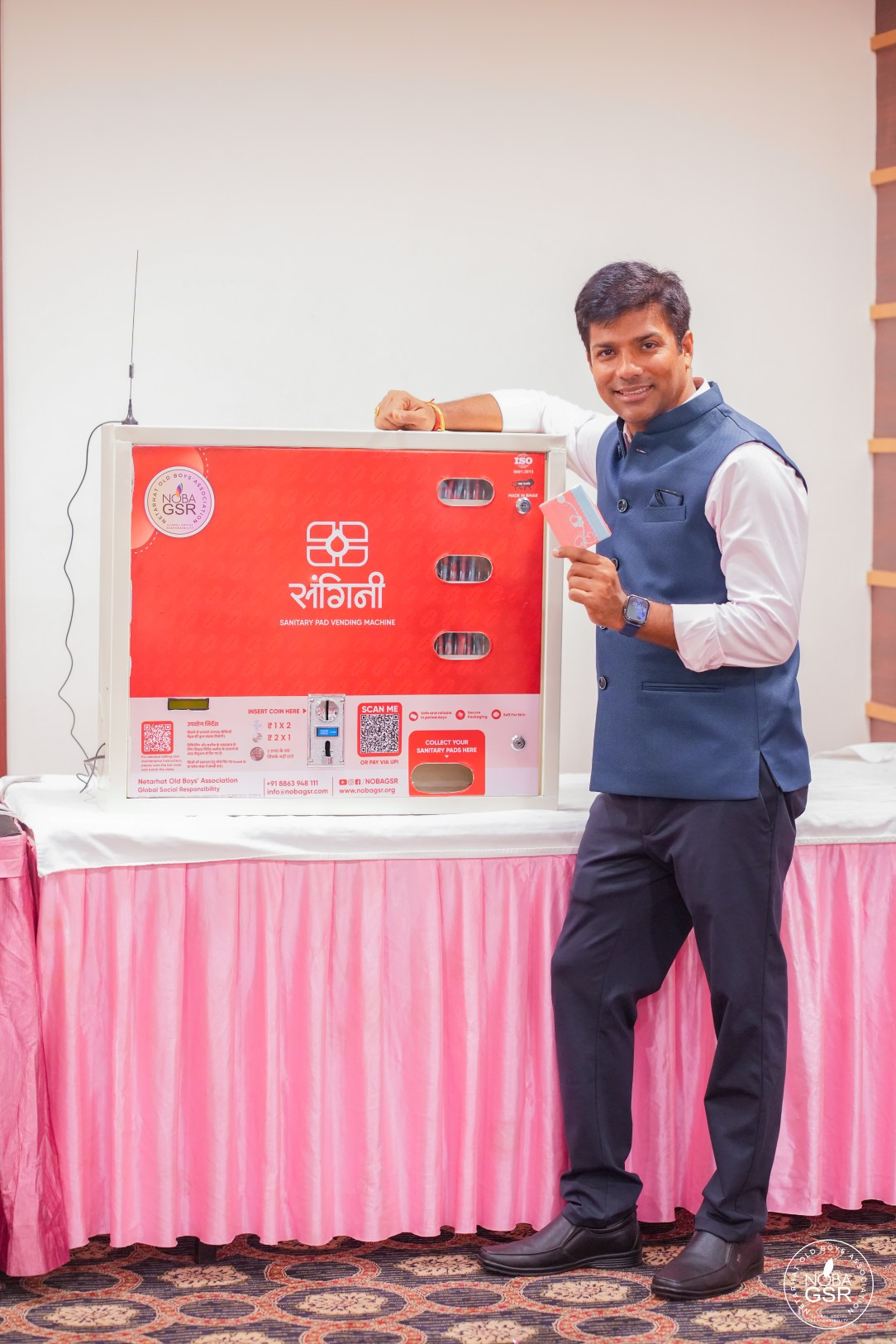
 By
By I have a dream—to uplift my home district, Begusarai, and ensure that period poverty becomes a thing of the past in all 230 Panchayats. Through the Sangini Project, we are working tirelessly to provide sustainable menstrual hygiene solutions, and I am confident that one day, Sangini will be recognized on the India map for its impact.
However, this journey cannot be completed alone. We need the support from each one of you to make this vision a reality. Your guidance, collaboration, and advocacy can help us take this initiative to the next level, ensuring that no girl or woman in Begusarai suffers due to a lack of awareness or access to menstrual hygiene resources.
I sincerely hope for your support in this mission. Looking forward to discussing how we can work together for a better, healthier future for our community.
We are working with below comprehensive solution (4A)
- Availability: One of the primary goals of the initiative is to ensure the availability of menstrual hygiene products such as sanitary pads to women and girls in Bihar and Jharkhand. This involves establishing distribution networks and partnerships with local organizations to make these products accessible in remote and underserved areas.
- Accessibility: Accessibility refers to ensuring that menstrual hygiene products are within reach for all women and girls, including those living in rural or marginalized communities. This may involve setting up distribution points in villages, schools, health centers, and other community spaces.
- Affordability: Affordability is a key consideration, particularly for rural women and girls with limited financial resources. The initiative may involve subsidizing the cost of sanitary pads or implementing innovative pricing models to make them more affordable.
- Awareness: Awareness plays a crucial role in breaking the silence and stigma surrounding menstruation, as well as educating women, girls, and communities about menstrual hygiene practices and the importance of using hygienic products. Leveraging various communication channels such as workshops, posters, pamphlets, digital media, and community-led discussions is helping disseminate accurate information and dispel myths and misconceptions related to menstruation.
By addressing these four key areas – Availability, Accessibility, Affordability, and Awareness – the NOBA GSR Sangini project initiative is likely to have a significant impact on improving menstrual hygiene practices and overall reproductive health outcomes among women and girls in Bihar and Jharkhand. Moreover, by involving local communities, stakeholders, and authorities, the initiative can work towards creating sustainable solutions that promote dignity, health, and well-being for all menstruating individuals.
Here’s a breakdown of potential impact areas after analyzing the impact of the NOBA GSR Sangini project initiative on menstrual hygiene in Bihar & Jharkhand.
- Increased Access to Menstrual Hygiene Products: We have successfully measured the distribution and availability of menstrual hygiene products in target areas, including the number of distribution points established and the quantity of products distributed.
- Improved Menstrual Hygiene Practices: We have evaluated changes in menstrual hygiene behaviors among women and girls, such as the adoption of hygienic practices, the frequency of product use, and the disposal of menstrual waste.
- Educational Advancement: NOBA GSR is continuously assessing the impact of the initiative on school attendance and academic performance among girls, considering that access to menstrual hygiene products and facilities can reduce absenteeism and dropout rates.
- Community Awareness and Attitudes: Evaluate changes in community attitudes and perceptions towards menstruation and menstrual hygiene, including reductions in stigma and increased openness to discussing menstrual health issues.
- Economic Empowerment: Measure the economic impact of the initiative on women and girls, including their ability to afford menstrual hygiene products and their participation in income-generating activities.
- Sustainability and Scalability: Assess the sustainability of the initiative by examining factors such as the capacity building of local organizations, the integration of menstrual hygiene into existing health and education programs, and the establishment of partnerships for long-term support. Identify opportunities for scaling up successful interventions to reach more communities and regions beyond Bihar and Jharkhand.
Why We Need Your Support: Begusarai, an industrial hub in Bihar, has the potential to be a national model for menstrual health. With support from government officials, industrialists, and local representatives, we can:
- Expand our reach to all 230 Panchayats.
- Ensure regular supply of Sanitary Pads and maintenance of vending machines and incinerators.
- Conduct advocacy programs to educate young girls and women on safe menstrual hygiene.
The Vision: By securing CSR funding from industries in Begusarai and support from government officials (DM, ADM, SDM, SP, DDC, Mayor, Nagar Nigam Aayukt, District Education Officer), we aim to:
- Establish a sustainable infrastructure for menstrual hygiene across the district.
- Provide educational workshops in schools, healthcare centers, and community spaces.
- Showcase Begusarai as a model district for menstrual health on the national stage.
How You Can Make an Impact: Your support can help us achieve:
- Full-scale installation of sanitary pad vending machines and incinerators in every Panchayat.
- Training programs for local women to become menstrual health educators.
- Policy advocacy for sustained government and CSR involvement.


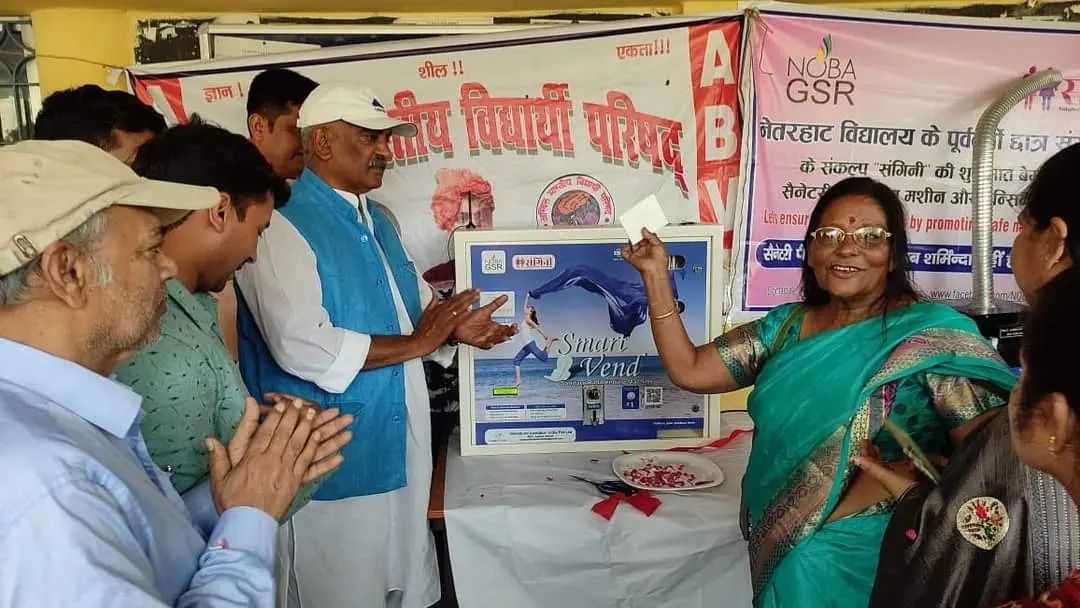


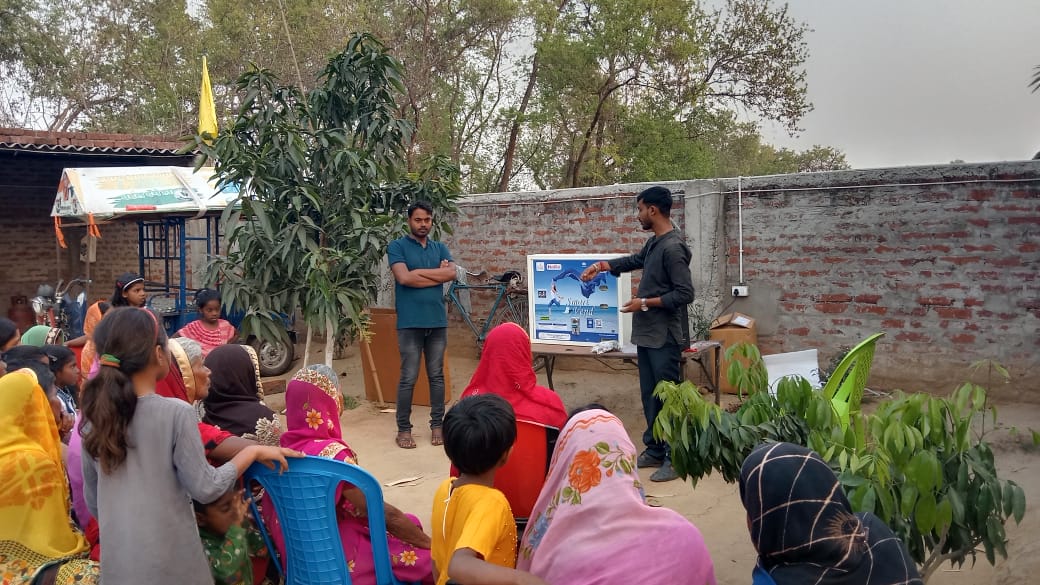
Sangini is not just about installing machines; it is about changing lives, creating awareness, and empowering women. Together, we can make Begusarai the first district in India to ensure menstrual hygiene access for all. Let’s make history by coming together to remove period poverty from Begusarai.
Recent Press news article:

 My Take on Whatever