 By
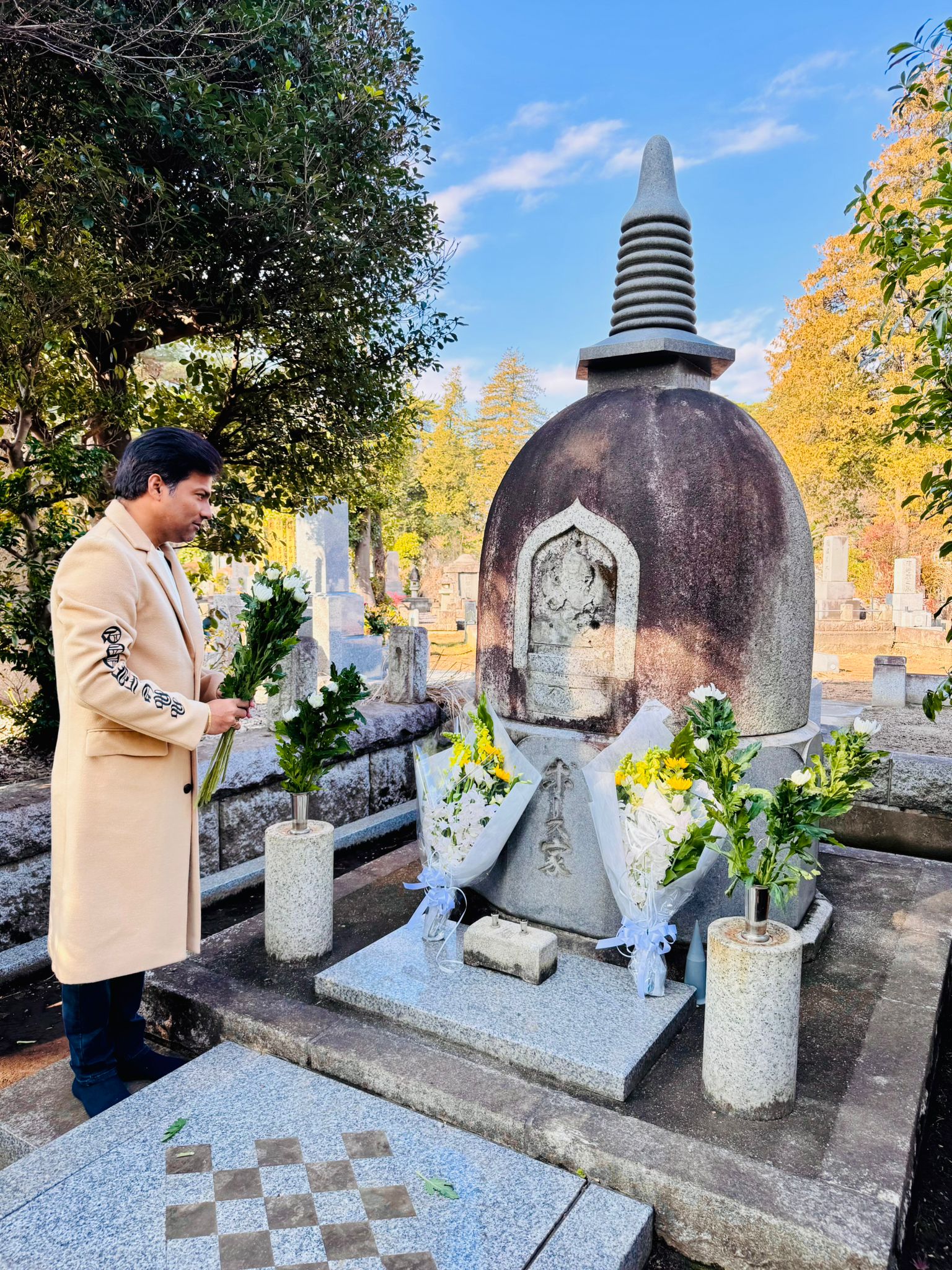
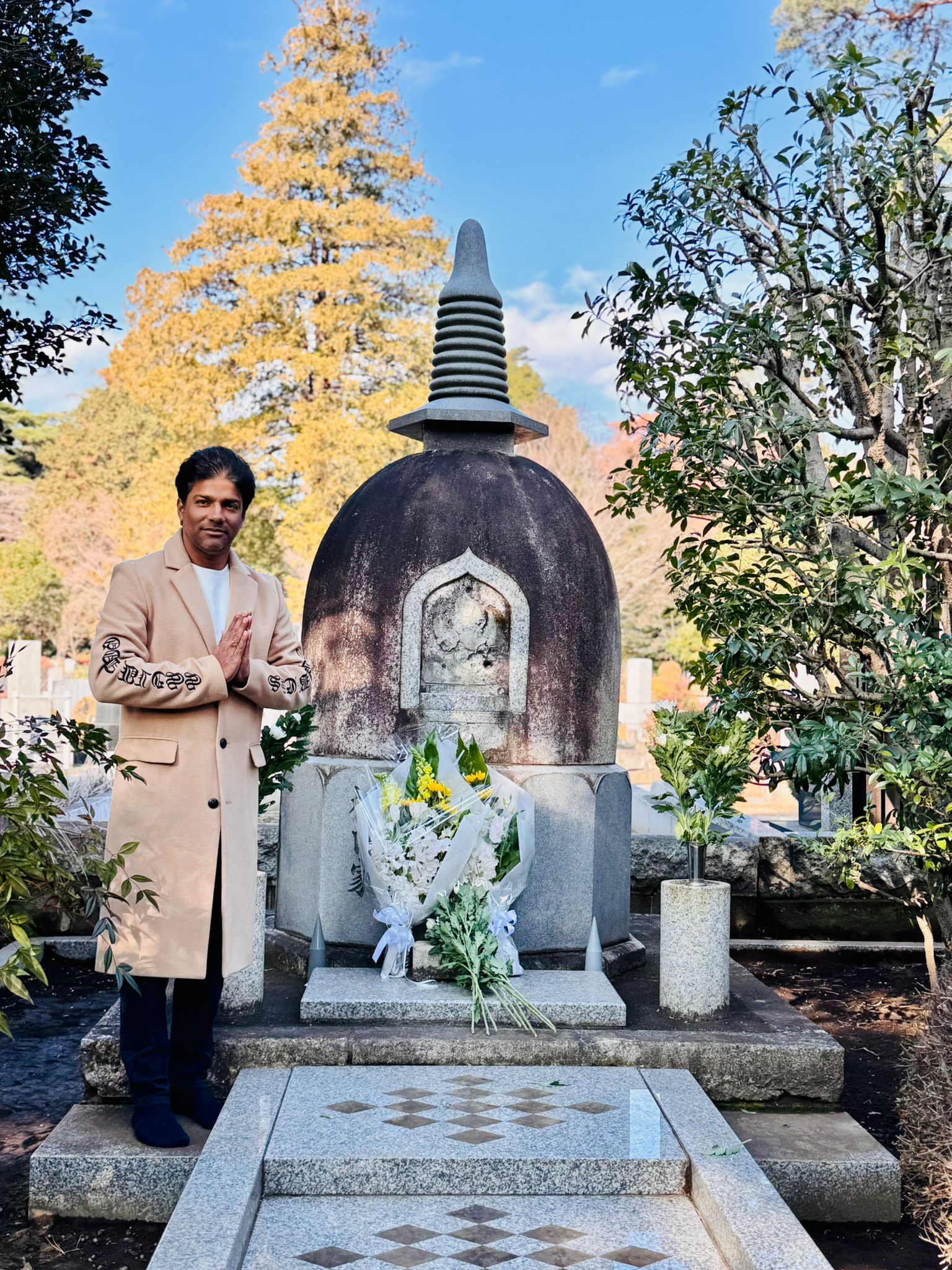
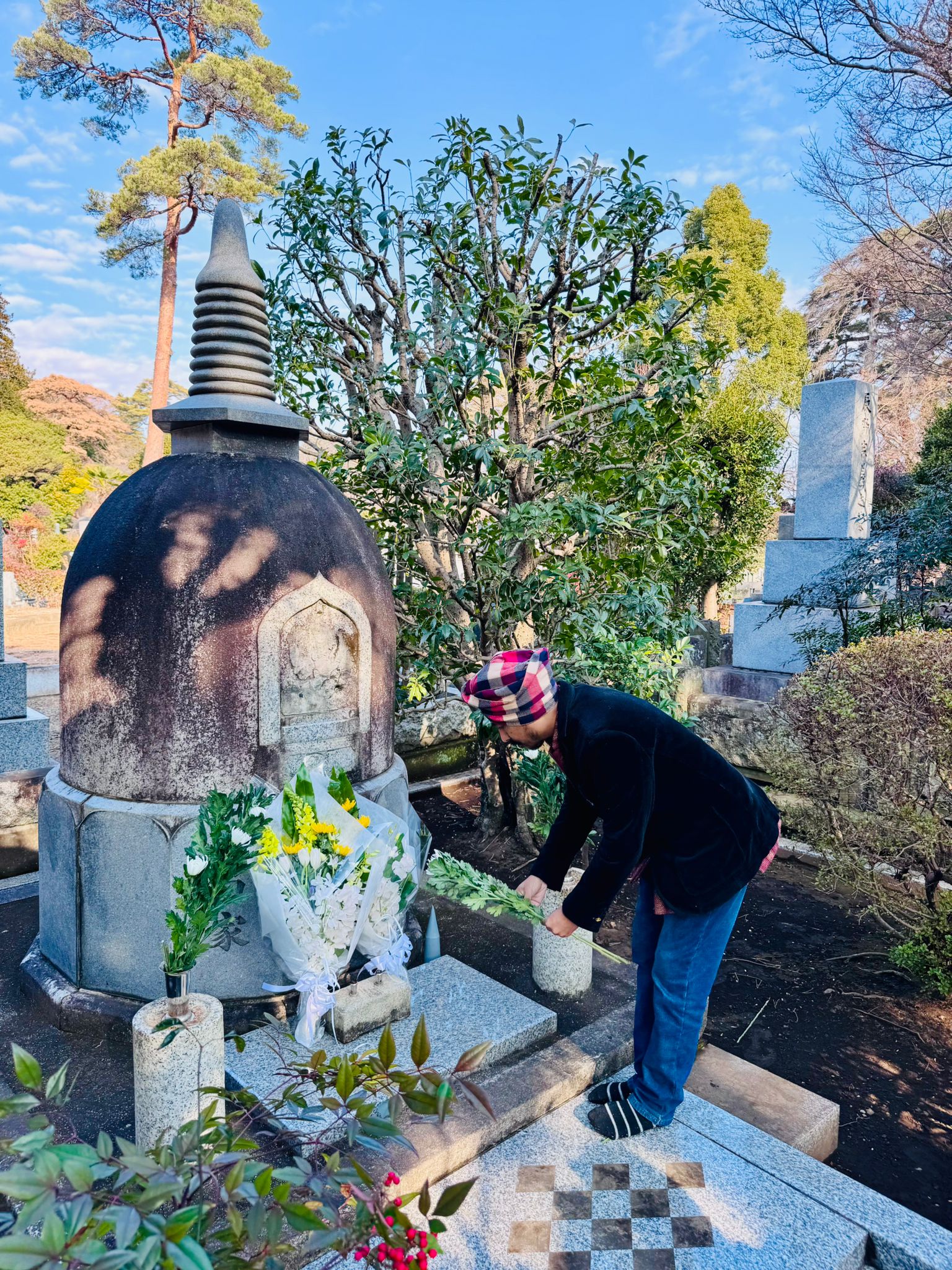
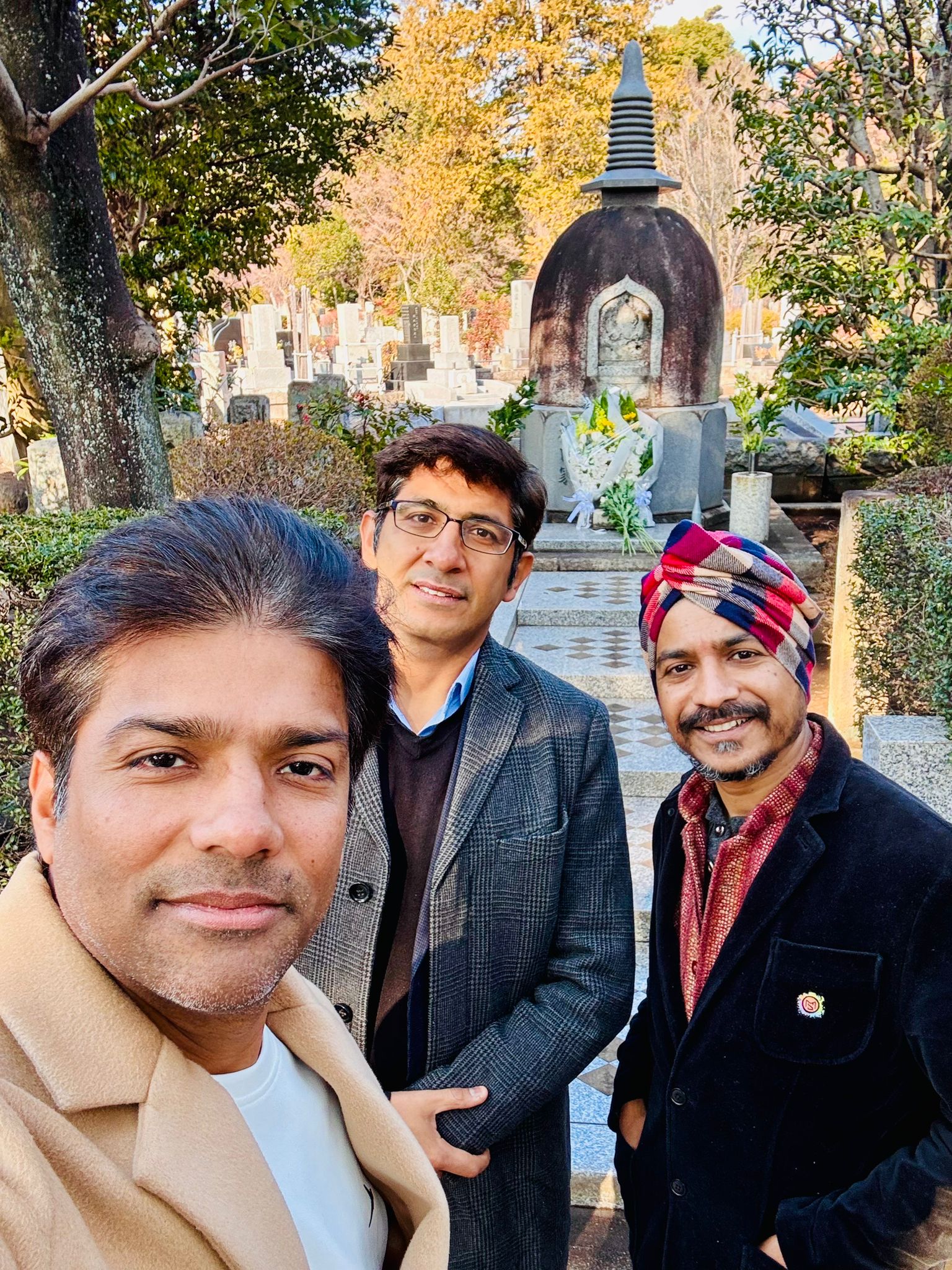
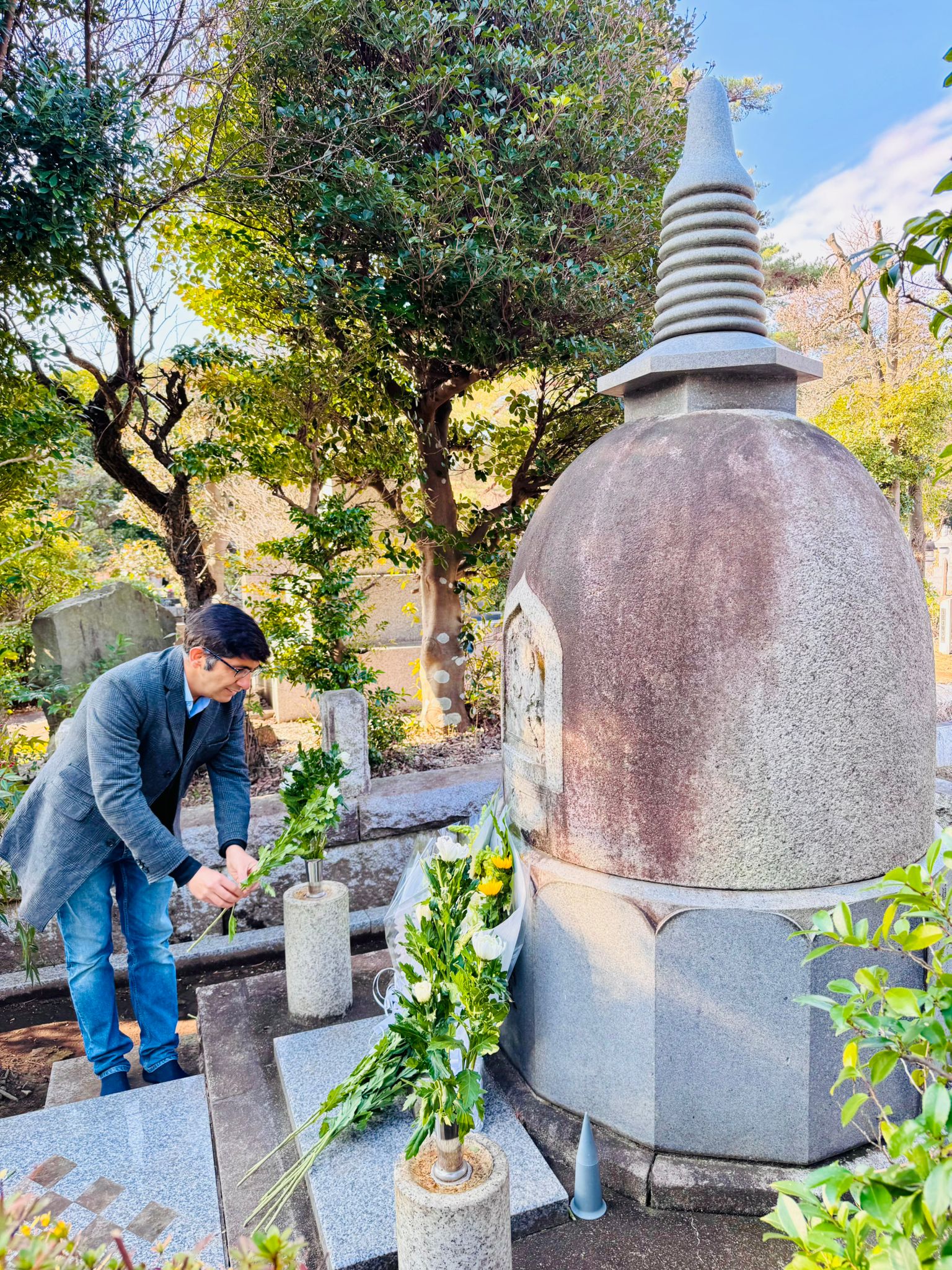
By Today 21st January, we honor and remember the indomitable spirit of Rash Behari Bose, a freedom fighter, visionary, and a crucial figure in India’s struggle for independence. Rash Behari Bose’s legacy is not only etched in India’s history but also in the enduring bond between India and Japan.
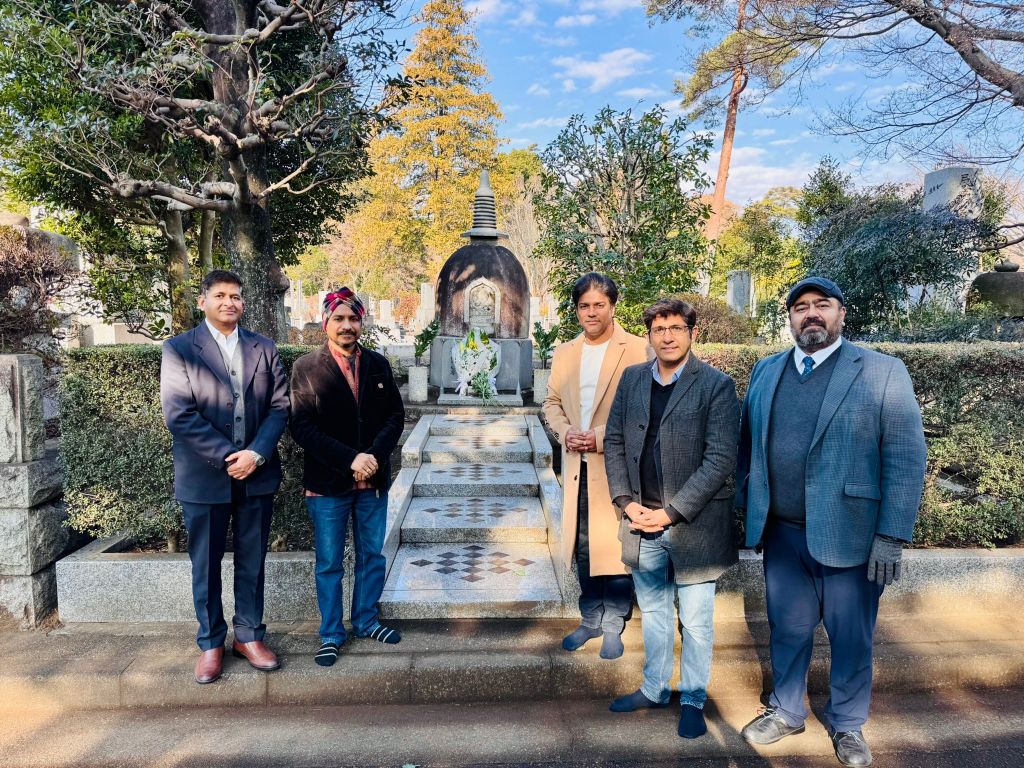
His Contributions to India’s Independence
Rash Behari Bose Jee was a revolutionary who played a pivotal role in organizing the Ghadar Mutiny against British rule in 1915. His commitment to India’s freedom led him to evade British authorities and seek refuge in Japan. There, he continued his fight for independence and worked tirelessly to garner international support for India’s freedom movement.
Strengthening India-Japan Relations
In Japan, Bose became an integral part of the socio-political fabric. He married Toshiko Soma, the daughter of a prominent Japanese family, and gained the trust and respect of the Japanese people. His efforts led to the formation of the Indian Independence League (IIL) in 1942, a precursor to the Indian National Army (INA). Bose’s strategic leadership and collaboration with Japanese officials laid the foundation for the INA, later led by Subhas Chandra Bose, to fight for India’s freedom.
Legacy of Collaboration
Rash Behari Bose’s work extended beyond politics; he became a cultural ambassador, introducing Indian cuisine and culture to Japan. His contributions symbolized a bridge between two ancient civilizations, fostering mutual respect and cooperation that continues to flourish today.
As we remember Rash Behari Bose, let us reflect on his vision of a free India and his role in strengthening the ties between India and Japan. His life reminds us of the power of collaboration, resilience, and unwavering commitment to one’s goals.
Let us draw inspiration from his legacy to further the bonds of friendship and cooperation between our nations.

 My Take on Whatever